
Start Your Commercial Greenhouse Farming Project

Dutch greenhouse guidance for new growers entering controlled environment agriculture.

Dutch greenhouse solutions for food security and commercial farming
Before you request a greenhouse price

First define the crop, climate and business case

Many new greenhouse projects start with the question: what does a greenhouse cost? The better first question is whether the crop, location, market, water, energy and technology level fit together. DutchAgriTech helps new growers organize those decisions before serious investment choices are made.

Crop directionTomatoes, cucumbers, peppers, lettuce and strawberries each need a different growing system, labour plan and climate strategy.
Location realityTemperature, humidity, wind, rainfall, snow load, water quality and energy availability shape the greenhouse design.
Project maturityA first project needs practical guidance. A larger commercial project needs deeper feasibility work and technical proposal preparation.
Professional greenhouse path

GrowPro

GrowPro is the professional path for growers who want more control over yield, quality and expansion. It is suited for serious commercial farming projects where crop planning, irrigation, climate and workflow must be designed together.

Best fit

Hydroponics, professional crop planning, controlled climate development and projects that may expand in phases.

Key focus
  • Hydroponic growing systems
  • Advanced climate control
  • Commercial food production
  • Designed for future expansion
Practical protected cultivation

PolyGrow

PolyGrow is the practical path for new protected cultivation projects. It helps growers improve crop protection, water efficiency and production reliability where a lower initial investment level is important.

Best fit

New protected cultivation projects, warmer regions, practical farm deployment and lower initial investment levels.

Key focus
  • Water-efficient production
  • Fast deployment
  • Lower capital investment
  • Scalable farming operations
PolyGrow 2000PolyGrow 4000PolyGrow 8000

Explore Crops for Greenhouse Farming

Crop choice drives the greenhouse design

Do not choose the structure before you understand the crop

A crop is not only a picture on a product page. It determines the growing system, irrigation strategy, plant support, ventilation, heating, cooling, labour rhythm, harvest frequency and market risk. These crop pages are entry points for growers who want to understand which production direction may fit their location.

Fruit vegetablesTomato, cucumber and bell pepper projects usually need stronger crop support, climate control and production planning.
Leafy cropsLettuce and herbs can support fast local production cycles, but water quality, hygiene and market access remain critical.
Premium cropsStrawberries can be attractive where timing, quality and pricing are strong, but variety and climate decisions matter early.
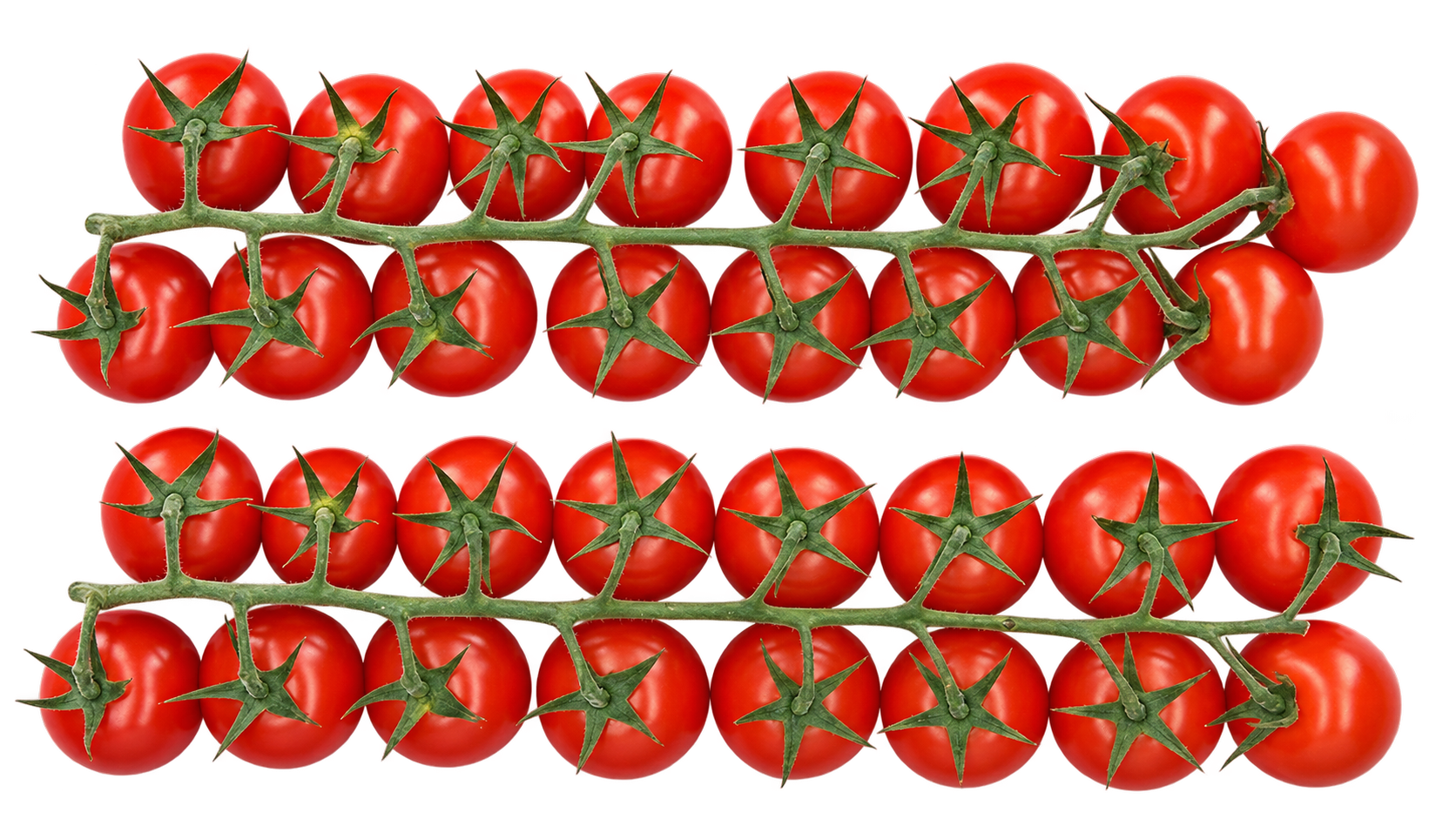
Tomatoes
Commercial greenhouse tomato production systems for high-yield farming
Cucumbers
Cucumbers the healthy snack and high yield crop in greenhouses
Bell Peppers
Growing Bell Peppers in Greenhouses for optimal production
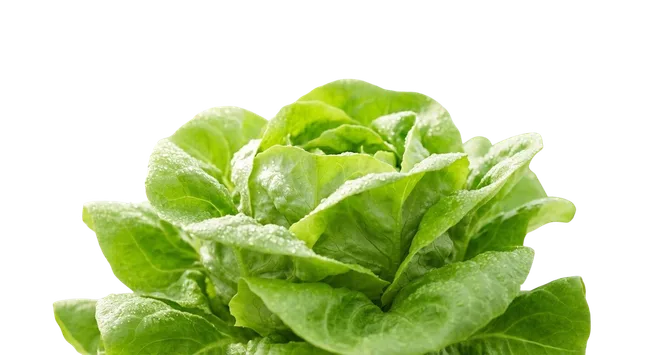
Lettuce, leafy greens
Hydroponic leafy green greenhouse systems for year-round production

How it works

1. Share your project basics

Tell us your country, local climate, crop, desired greenhouse size, target market, available land and current farming experience. This helps separate serious project direction from generic greenhouse shopping.

2. We review the project direction

We look at how crop, climate, structure, growing system, water, energy and labour connect. A greenhouse that works in one region may need a different design in another.

3. Receive practical next steps

You receive first direction on model choice, crop suitability, feasibility questions and which information is still needed before a technical proposal can be prepared.

4. Move forward with a serious project

Qualified projects can continue toward feasibility study, model selection and detailed Dutch greenhouse support. The goal is not to sell an online product, but to help you make a realistic project decision.

Greenhouse Farming Questions for New Growers

Practical answers before proposal work

Greenhouse Questions New Growers Usually Ask First

New growers often need practical direction before technical drawings and pricing make sense. These answers explain how DutchAgriTech thinks about crop choice, greenhouse type, climate and feasibility.

Can I start greenhouse farming without previous CEA experience?

Yes, but the project should start with a realistic technology level and a crop that fits the local market, climate and available resources. A first greenhouse project should be designed around training, simple operation, reliable water and energy, and a clear sales channel.

Why can DutchAgriTech not give one fixed online greenhouse price?

A commercial greenhouse is affected by location, crop, structure, climate system, irrigation, screens, heating, cooling, water treatment, logistics and local regulations. A useful proposal needs project information first. That is why the site guides visitors toward project direction and feasibility instead of online checkout.

Should I choose GrowPro or PolyGrow?

GrowPro is the stronger path for professional controlled production and future expansion. PolyGrow is the more practical protected cultivation path where lower initial investment and fast deployment are important. The right choice depends on crop, climate, budget, market and project maturity.

Which crop is best for a first greenhouse project?

There is no universal best crop. Tomatoes, cucumbers, peppers, lettuce, herbs and strawberries can all work under the right conditions. The decision should be based on local demand, selling price, labour, water quality, climate risk, technical complexity and grower experience.

When is a feasibility study needed?

A feasibility study is recommended when the project is commercial, larger than a small test unit, located in a challenging climate, or dependent on investor approval. It helps define crop direction, greenhouse model, expected risks, operating needs and the next proposal steps.

Why use glass covered greenhouses?

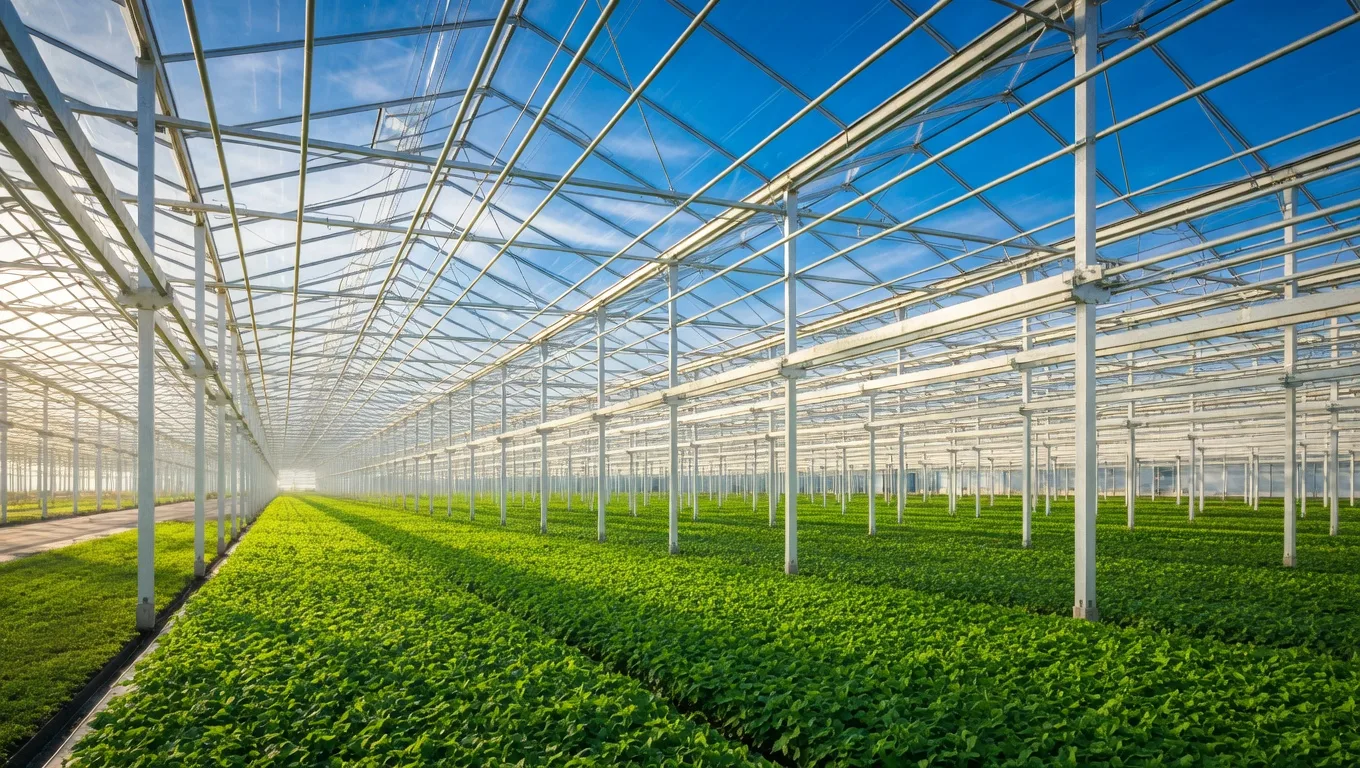
Glass covered greenhouses are common in advanced horticultural regions because they offer long-term durability, high light transmission and stable performance. They are often selected for professional long-term production where crop quality, light and climate control are important.

Why use poly covered greenhouses?

Poly covered greenhouses can be an efficient way to enter protected agriculture at a lower investment level. They are especially relevant in regions where practical deployment, water efficiency and crop protection are the first priorities.

Subscribe to our newsletter

Stay informed about greenhouse technology, food production and rapid deployment farming solutions.

DutchAgriTech logo